

🌿 Slow Living in 2026: Why Everyone Is Choosing a Simpler, Happier Life
📌 Introduction
In 2026, one of the fastest-rising lifestyle search trends is Slow Living.
In a world filled with constant notifications, endless scrolling, packed schedules, and productivity pressure, people are craving something different:
Calm. Clarity. Control.
Search terms like “how to reduce stress naturally,” “digital detox routine,” and “simple living lifestyle” have surged dramatically. More individuals are intentionally slowing down to create meaningful, peaceful lives.
But what exactly is slow living? And why is it becoming a global movement?
Let’s explore.
🌸 What Is Slow Living?
Slow living is not about laziness or avoiding ambition.
It is about:
- Living intentionally
- Reducing mental clutter
- Prioritizing what truly matters
- Creating space for joy
- Choosing presence over pressure
The philosophy gained global attention through books like Digital Minimalism and the work of Cal Newport, who emphasize focused living in a distracted world.
At its core:
Slow living is about doing fewer things — better.
🌍 Why Slow Living Is Trending in 2026
1️⃣ Digital Burnout Is Real


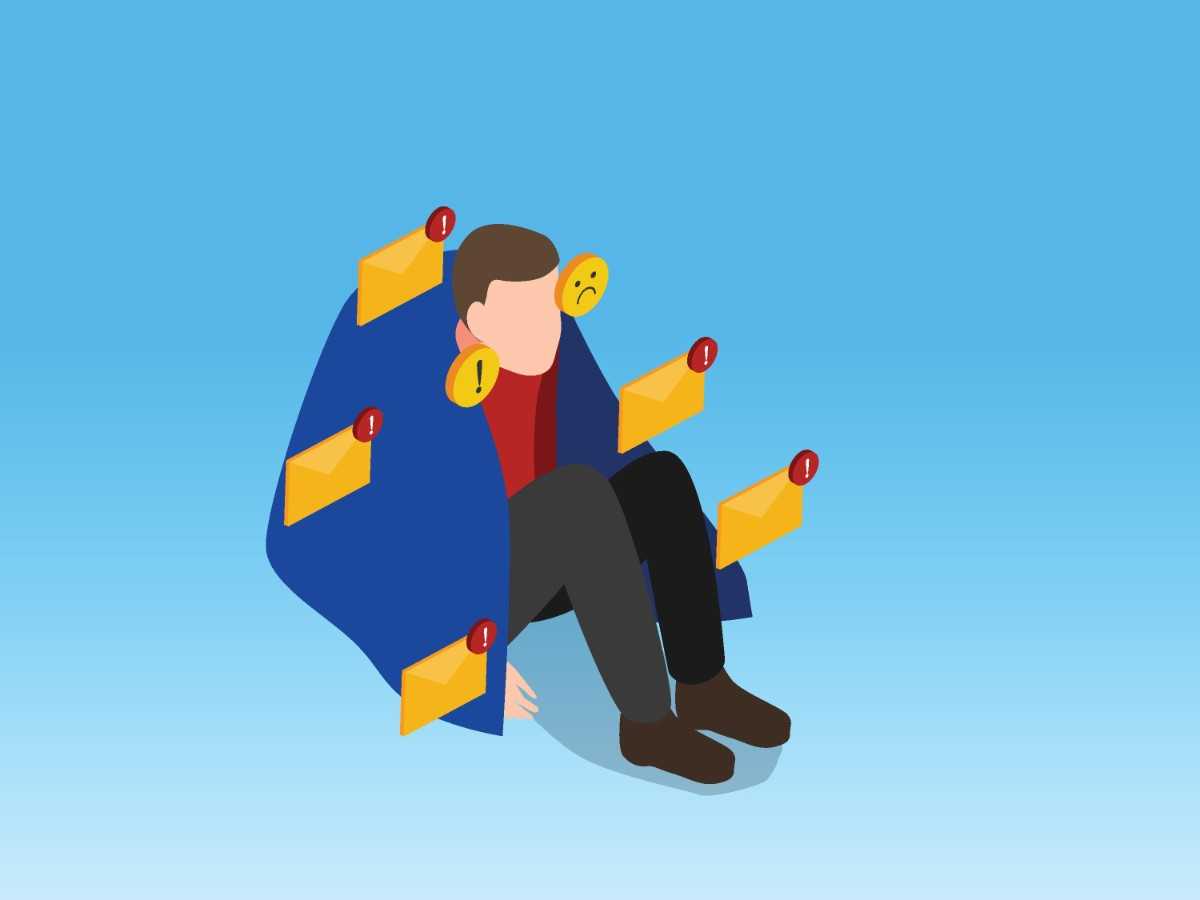

The average adult now spends several hours daily on screens. With constant social media comparison, news cycles, and digital noise, burnout has become common.
People report:
- Anxiety and mental fatigue
- Sleep disruption
- Shortened attention spans
- Constant comparison stress
This has fueled the rise of:
- Digital detox weekends
- Notification-free mornings
- Screen-free evenings
Slow living offers a reset from overstimulation.
2️⃣ The Rise of Mindful Productivity
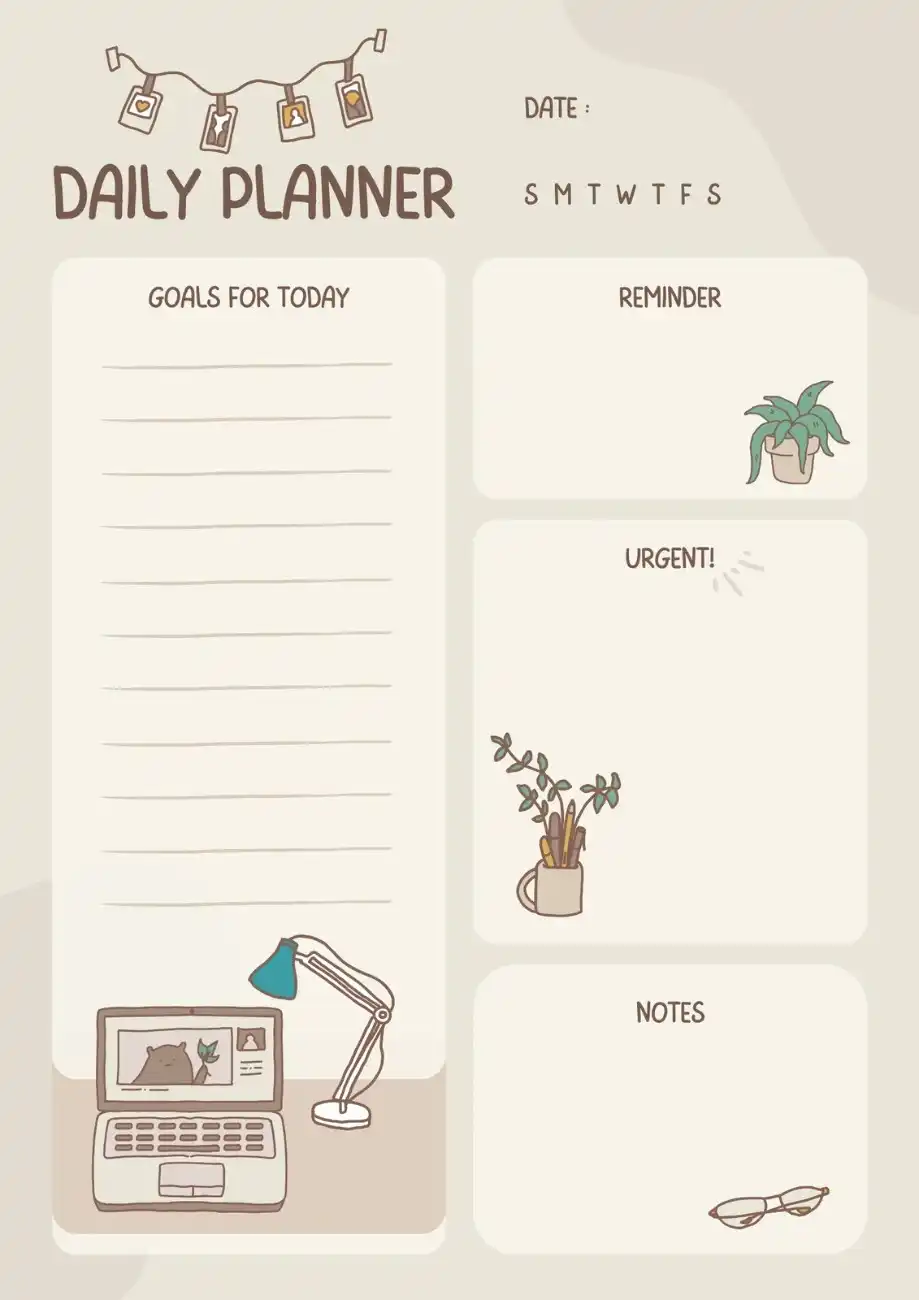
The hustle culture of the 2010s has started fading.
Instead of glorifying being “busy,” people now value:
- Deep focus
- Intentional scheduling
- Realistic goals
- Rest without guilt
Mindful productivity is about working smarter — not longer.
People are replacing:
❌ Multitasking ❌ 24/7 availability ❌ Burnout cycles
With:
✅ Focus blocks ✅ Rest days ✅ Clear priorities
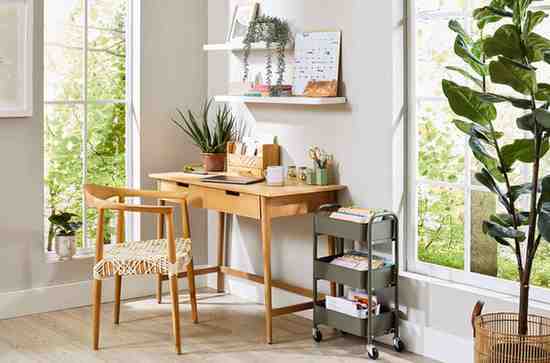
3️⃣ Minimalist Home Aesthetic
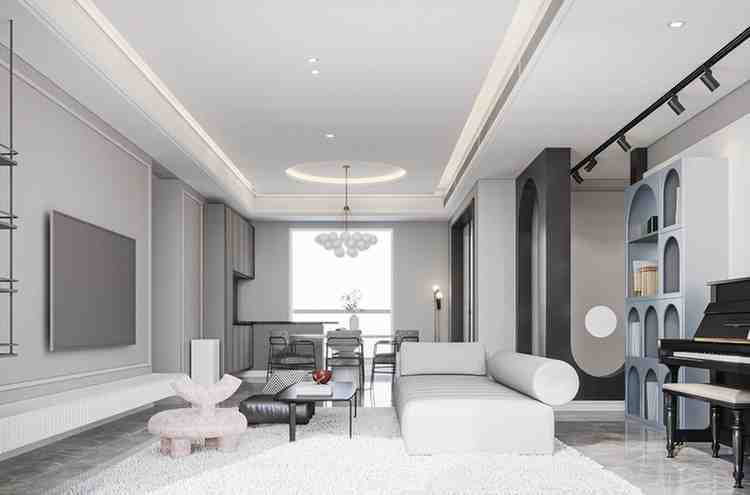
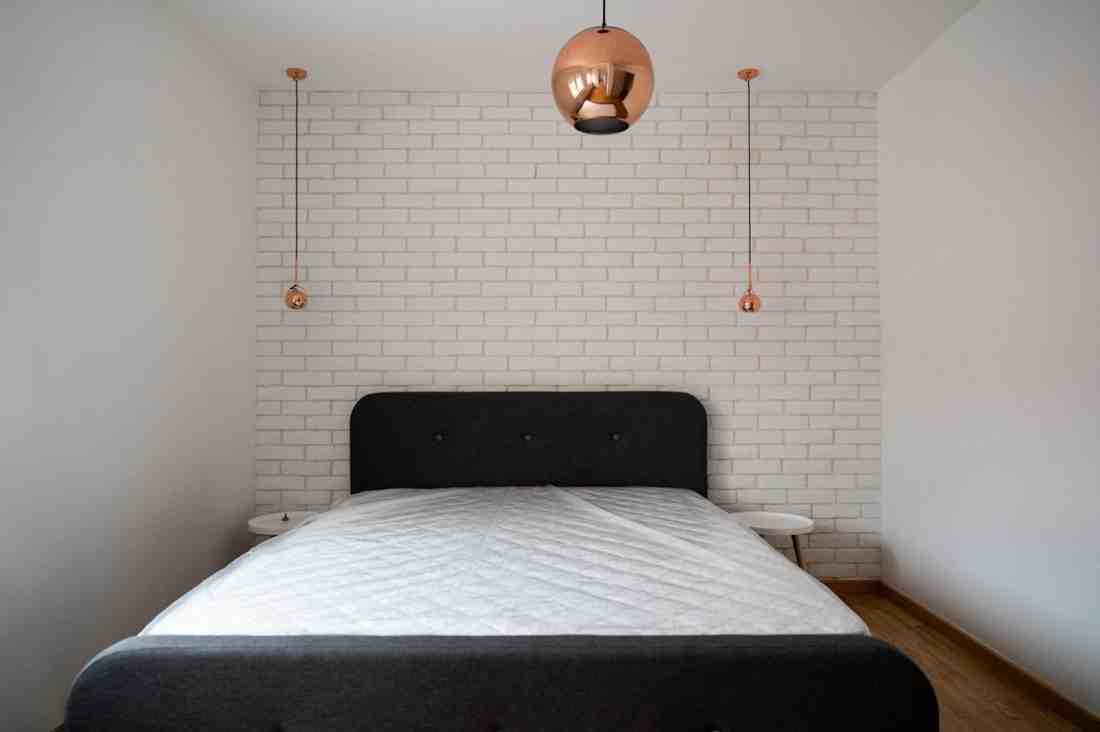
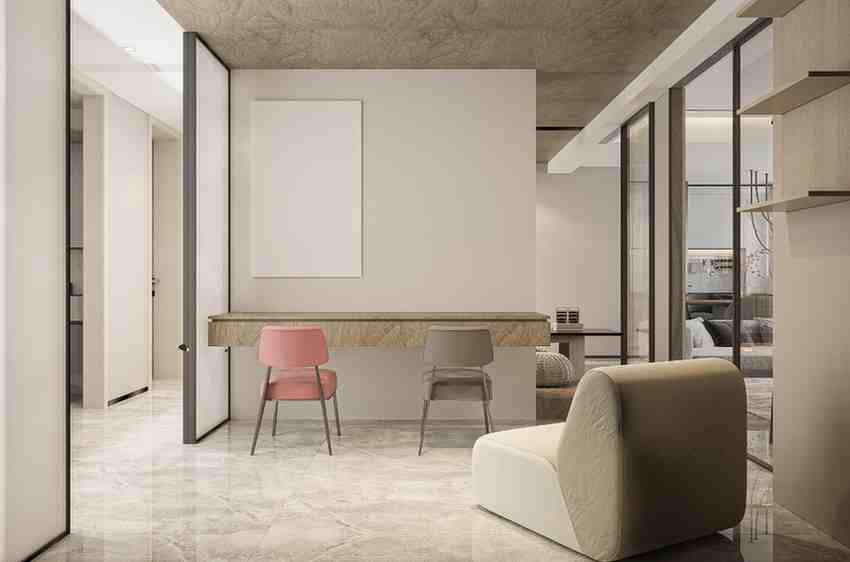

Home environments strongly affect mental health.
Influenced partly by Marie Kondo, many people now:
- Declutter unused items
- Choose neutral, calming colors
- Use natural materials (wood, cotton, linen)
- Keep only meaningful possessions
Minimal spaces reduce visual stress and improve mental clarity.
🧘♀️ Core Principles of Slow Living
🌿 1. Intentional Living
Ask yourself:
- Does this align with my values?
- Is this necessary?
- Does this bring peace or pressure?
Living intentionally means making conscious choices rather than reacting automatically.
🕰 2. Protecting Your Time
Time is the most valuable resource.
Slow living encourages:
- Saying “no” more often
- Limiting overcommitment
- Avoiding unnecessary obligations
Boundaries create freedom.
📵 3. Digital Boundaries
Small digital habits create massive mental shifts:
- No phone first 30 minutes of the day
- Social media time limits
- Removing non-essential apps
- Turning off push notifications
Mental clarity improves dramatically.
💛 4. Meaningful Relationships
Instead of endless online interaction, slow living promotes:
- Deep conversations
- Face-to-face connection
- Quality time without distractions
Presence strengthens bonds.
🌞 5. Daily Rituals
Slow living thrives on small rituals:
- Morning tea without scrolling
- Evening walks
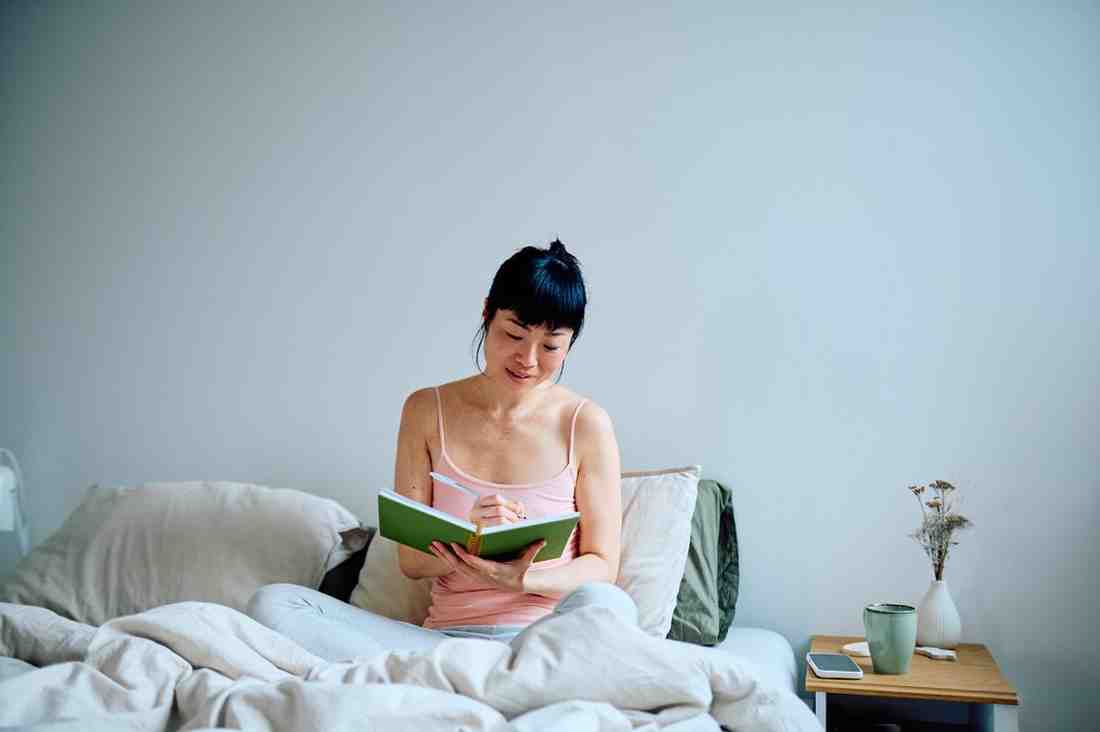
- Journaling before bed
- Cooking meals slowly
These micro-moments build emotional stability.
💡 Benefits of Slow Living
People who adopt slow living often experience:
✔ Reduced stress levels ✔ Improved sleep quality ✔ Better emotional regulation ✔ Increased productivity ✔ Stronger relationships ✔ Higher life satisfaction
Ironically, by slowing down, many people achieve more meaningful results.
🏡 How to Start Slow Living Today
You don’t need to change your entire life overnight.
Start small.
Step 1: Create a Calm Morning
- Avoid your phone for 30 minutes
- Drink water
- Stretch or breathe deeply
- Plan your day intentionally
Step 2: Declutter One Space
Choose:
- Your desk
- Your wardrobe
- Your kitchen counter
Remove anything unnecessary.
Step 3: Schedule Offline Hours
Choose at least:
- 1 hour daily OR
- One full digital detox day per week
Protect this time.
Step 4: Replace Scrolling With Rituals
Instead of social media:
- Read 10 pages
- Take a walk
- Cook mindfully
- Journal thoughts
Small shifts compound.
🔮 The Future of Slow Living
By 2030, lifestyle analysts predict:
- 4-day workweeks becoming more common
- Remote flexibility expanding
- Wellness-first communities growing
- Purpose-driven careers rising
Success is being redefined.
From:
🏆 Status 🏎 Speed 💰 Overwork
To:
🌿 Balance 💛 Fulfillment 🕊 Freedom
🎯 Final Thoughts
Slow living is not about escaping modern life.
It’s about living it with awareness.
In a world moving faster every year, choosing to slow down may be the boldest and smartest decision you can make.
📌 SEO Keywords Included
Slow living 2026, minimalist lifestyle, digital detox routine, mindful productivity, simple living trends, work life balance 2026, slow morning routine, wellness lifestyle movement


