

🛕🌾 The Jat Community: History, Culture, Identity & Legacy
The Jat community (also spelled Jaat or Jatt) is one of the most historically significant agrarian and martial communities of the Indian subcontinent. Spread across North India and Pakistan, the Jats have shaped regional politics, agriculture, military traditions, and rural governance for centuries.
Their story is one of migration, resilience, farming excellence, and warrior pride — woven deeply into the cultural fabric of Punjab, Haryana, Rajasthan, Uttar Pradesh, Delhi, Sindh, and beyond.
🌍 Origins and Migration
The origins of the Jat community are complex and debated among historians. Most scholarly references place their early presence in the Indus Valley region, particularly in present-day Sindh and Southern Punjab.
Over centuries:
-
Originally pastoral and semi-nomadic groups in the lower Indus valley
-
Gradually transitioned into settled agricultural communities
-
Migrated northward and eastward during medieval times
-
Established strong rural bases in:
- Punjab
- Haryana
- Rajasthan
- Western Uttar Pradesh
- Delhi region
- Pakistani Punjab & Sindh
These migrations were influenced by:
- Political shifts
- Invasions
- Agricultural opportunities
- Climatic changes
By the late medieval period, Jats had become a dominant agrarian community across the fertile plains of North India.
🛡️ Warrior Ethos and Political Power
Jats have historically been associated with a strong martial identity.
⚔️ Village Militias & Self-Defense
In earlier centuries:
- Village panchayats could mobilize able-bodied men for defense
- Communities organized themselves to resist external invasions
- Strong clan-based solidarity ensured collective protection
This created a reputation for:
- Fearlessness
- Physical endurance
- Loyalty to land and community
👑 The Rise of Jat Kingdoms
One of the most prominent political expressions of Jat power was:
🏰 Bharatpur State

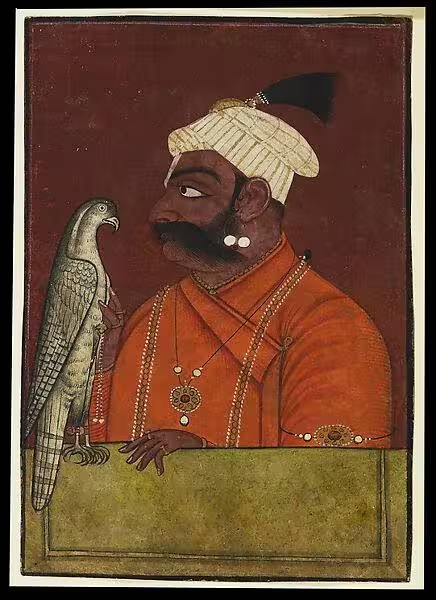

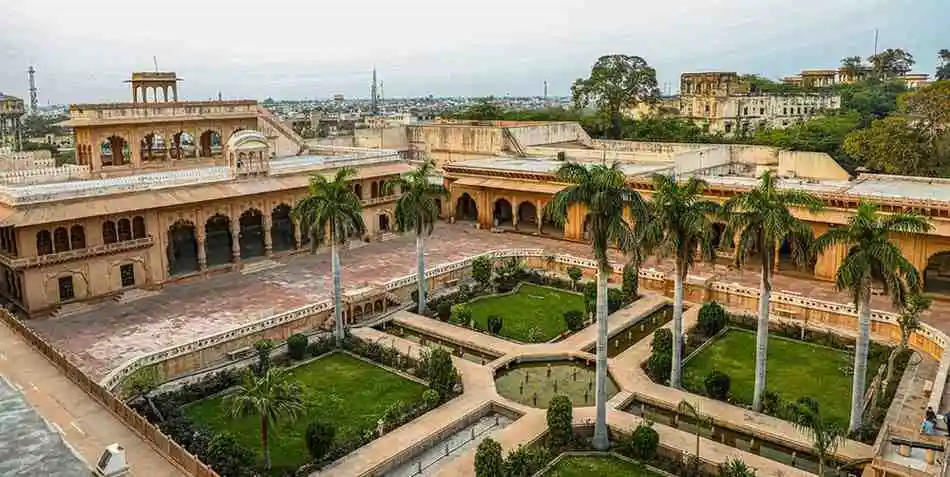
- Founded in the 18th century
- Ruled by the Sinsinwar Jat dynasty
- Famous ruler: Maharaja Suraj Mal
- Capital: Bharatpur (Rajasthan)
- Strong fortifications like Lohagarh Fort
The kingdom successfully resisted powerful empires and became a symbol of Jat political assertion and strategic strength.
🌾 Agriculture: The Heart of Jat Identity
More than warriors, Jats are historically recognized as exceptional cultivators.
🚜 Farming Excellence
They are known for:
- Mastery over canal irrigation systems
- Intensive wheat, sugarcane, and mustard cultivation
- Strong landownership traditions
- Adaptation to Green Revolution technologies
In states like:
- Punjab
- Haryana
- Western Uttar Pradesh
Jats played a central role in making these regions the agricultural backbone of India.
🏡 Rural Governance & Panchayat System
One defining feature of Jat villages:
🗳️ Preference for collective and elected leadership over hereditary rule.
Village governance often emphasized:
- Community decision-making
- Clan councils (Khap panchayats in some regions)
- Collective land and social responsibility
This created a culture of:
- Assertiveness
- Equality among landholders
- Strong social cohesion
✨ Culture, Language & Traditions
The Jat community is not religiously or linguistically uniform. It spans multiple regions and faiths.
🗣️ Languages Spoken
- Hindi
- Haryanvi
- Punjabi
- Rajasthani
- Sindhi
- Urdu
🛐 Faith Diversity
Jats belong to multiple religions:
- Hinduism
- Sikhism
- Islam
This diversity highlights that Jat identity is primarily ethno-cultural and regional, not confined to a single religion.
💃 Folk Culture & Rural Lifestyle
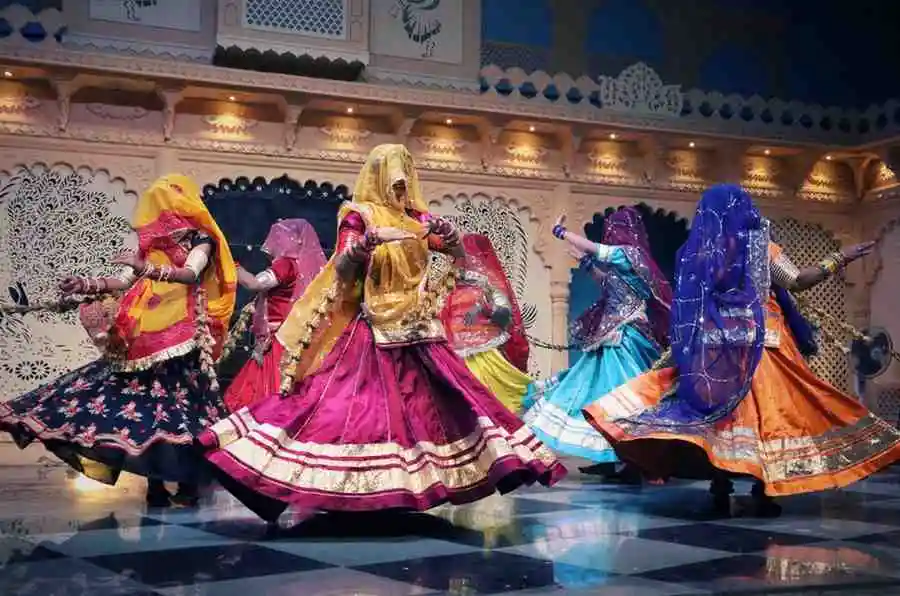


Cultural markers include:
- Traditional dances like Ghoomar
- Baisakhi harvest celebrations in Punjab
- Distinct rural attire (turbans, kurta-dhoti)
- Strong emphasis on honor (izzat)
- Deep clan-based kinship networks
Community identity is often tied to:
- Land
- Ancestral villages
- Clan names (Gotras)
🏛️ Contributions to Society
The Jat community has significantly influenced North Indian social, political, and economic structures.
🌾 1. Agricultural Leadership
- Key contributors to India’s Green Revolution
- Major landholding agrarian group
- Sustaining rural economies for centuries
🪖 2. Military Service
Jats have served prominently in:
- Regional armies
- Colonial-era regiments
- Post-independence armed forces
Their martial tradition continues in modern defense services.
🏛️ 3. Political Influence
In states like:
- Haryana
- Rajasthan
- Uttar Pradesh
- Punjab
Jat leaders have played influential roles in:
- State governance
- Farmers’ movements
- Rural policy advocacy
📚 Social Characteristics
Commonly associated traits (as described in sociological literature):
- Strong sense of independence
- Direct communication style
- High value placed on land ownership
- Emphasis on physical strength and endurance
- Collective honor and reputation
However, like all communities, Jats are diverse and internally varied, and modern generations are engaged in:
- Education
- Business
- Government services
- Urban professions
- Entrepreneurship
🌏 Presence in India & Pakistan
Today, Jats are found in:
🇮🇳 India:
- Punjab
- Haryana
- Rajasthan
- Uttar Pradesh
- Delhi
🇵🇰 Pakistan:
- Punjab
- Sindh
They remain an integral part of rural and semi-urban society in both countries.
📌 Key Takeaways
-
The Jat community is a historically significant agrarian and martial group.
-
Their identity blends:
- 🌾 Agricultural excellence
- 🛡️ Warrior traditions
- 🗳️ Democratic rural governance
-
They are religiously diverse and regionally widespread.
-
Their legacy continues to influence politics, farming, and cultural life in North India and Pakistan.
💬 Final Reflection
The story of the Jats is not just about land or battles.
It is about:
- Community solidarity
- Adaptation through centuries
- Pride in heritage
- And an enduring rural backbone of the subcontinent
Their history reflects the broader story of North India itself — resilient, agricultural, community-driven, and fiercely self-respecting.
🔖 Hashtags
#JatCommunity #JattPride #IndianHistory #PunjabHistory #HaryanaCulture #RajasthanHeritage #RuralIndia #AgrarianCommunities #SouthAsianHistory #IndoPakHeritage #WarriorTradition #VillageLife #CulturalLegacy #SocialHistory #IndianSociety


